
Banxico Cuts Rates to 7.25%: What It Means for Investors in Mexico’s Caribbean Growth Corridor
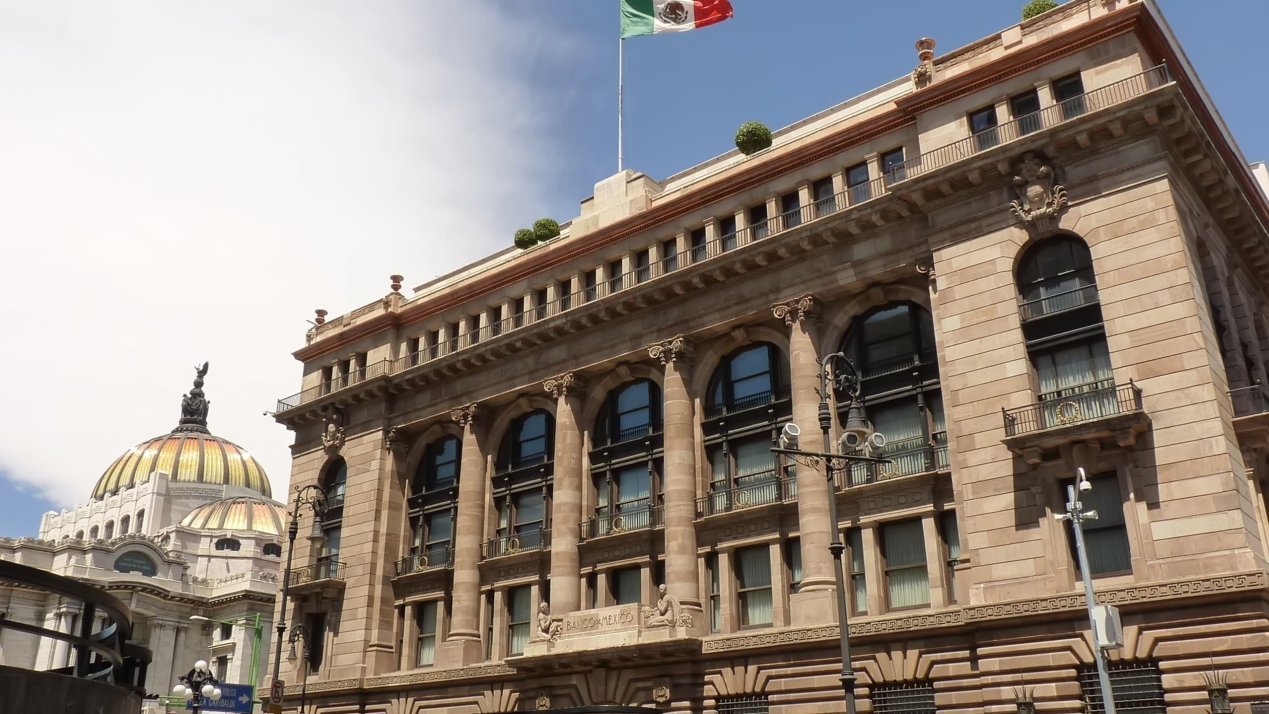
On November 6, 2025, Mexico’s central bank lowered its policy rate by 25 basis points to 7.25%, with the decision taking effect the following day. The vote wasn’t unanimous; four members supported the cut and one dissented. The tone of the announcement was cautious, emphasizing a data-dependent, meeting-by-meeting approach rather than a pre-committed easing cycle.
At the same time, the USD/MXN has been trading around 18.3 to 18.5, reflecting a balance between global dollar strength and Mexico’s still-attractive real rates.
For most people, these are just headlines. For investors active or curious about opportunities in the Riviera Maya, they are signals.
Why This Matters Right Now
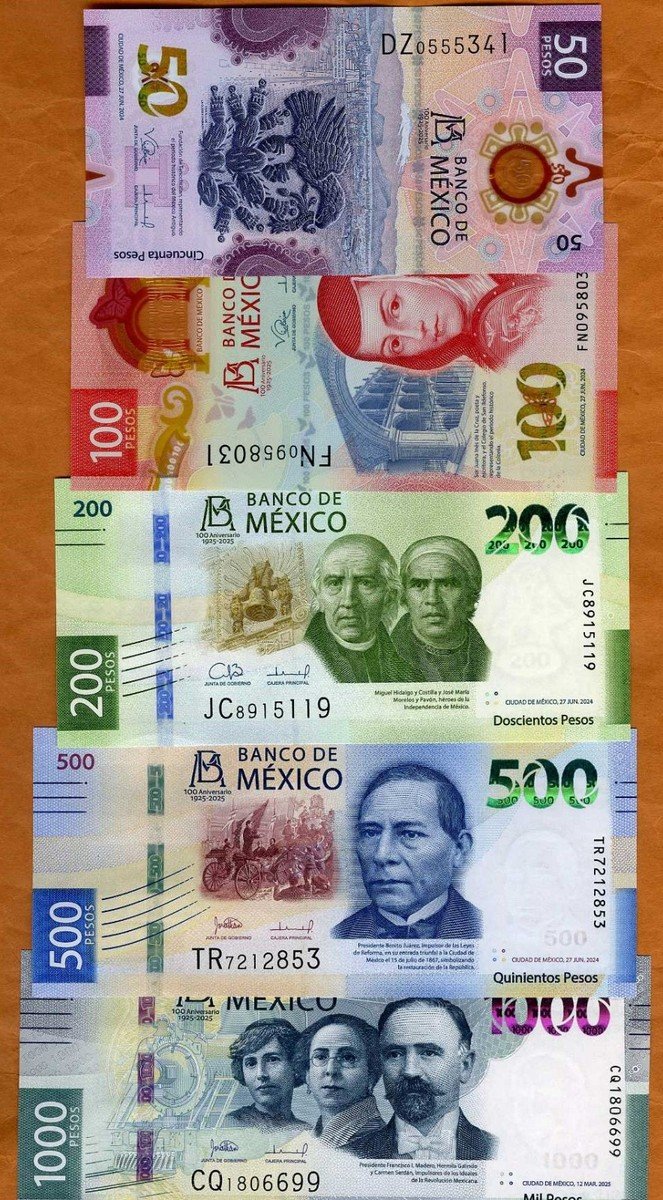
Mexico is entering a monetary environment distinct from the last two years. While the U.S. Federal Reserve has cut more aggressively, Banxico’s slower path has preserved a rate differential that supports the peso. The latest move, however, opens the door to a slightly more accommodative stance.
For developers and investors working in USD or with USD-backed capital, this has three important implications:
1. Peso Financing Is Becoming More Attractive
A policy rate drifting lower will eventually filter into lower borrowing costs for construction, operations, working capital, and MXN-denominated credit lines. For projects with heavy domestic spend—materials, labor, services—this improves economics.
It also means the cost of carrying MXN exposure may ease over the next few quarters. Lower policy rates will also ripple into mortgage and developer financing spreads, and banks may loosen credit standards in 2026, creating opportunities to blend peso financing with dollar equity and optimize weighted average cost of capital.
2. USD Investors Get a Window of Efficiency on Conversions
An exchange rate near 18.4 MXN per USD is still favorable in historical context. For investors funding construction phases, pre-development expenses, or peso-heavy operating budgets, this is a moment when timing FX conversions can meaningfully improve margins.
A shift of even 50–75 centavos can move six- or seven-figure budgets by meaningful amounts. Peak tourism months (December–April) coincide with high FX inflows from visitors, often stabilizing the peso, so aligning capital conversions with seasonal inflows can further improve margins and reduce volatility exposure.
3. Real Estate Becomes More Liquid as Domestic Buyers Re-enter
Higher rates sidelined a portion of Mexico’s domestic upper-middle class. As mortgage rates soften, the buyer pool expands. International investors benefit from this liquidity because it anchors resale value and shortens exit timelines.
Even in markets like Tulum where most buyers are international, domestic liquidity has an indirect stabilizing effect. Domestic liquidity returning means exit strategies diversify — not just international buyers, but also Mexican households re‑entering the market.
Zooming Out: Mexico’s Macro Story Still Outperforms Its Region
The rate cut didn’t happen in a vacuum. Mexico continues to benefit from:
Strong near shoring tailwinds
A growing manufacturing base closely linked to the U.S.
Fiscal discipline compared to regional peers
An expanding tourism economy hitting repeated record highs
Sustained foreign direct investment inflows
Even at 7.25%, Mexico’s real rates remain positive, unlike many regional peers. This keeps the peso attractive for carry trades, containing depreciation risk and reducing hedging costs for investors.
In the Caribbean corridor — Tulum, Playa del Carmen, Cancún, Puerto Aventuras — demand is outpacing supply, with capital flowing in faster than projects can be delivered.
Capital is flowing in faster than projects can be built.
The Riviera Maya Angle: Strong Fundamentals, Strengthened by Rates
Developers working in Mexico’s southeastern corridor (Tulum, Riviera Maya, Costa Mujeres, Cozumel) already operate in a landscape where:
Tourism demand is growing at double-digit annual rates
Luxury and wellness segments continue to outperform
Branded residences offer global liquidity
Cap rates are higher than comparable resort markets
Construction costs remain competitive relative to U.S. and Europe
Riviera Maya cap rates (7–9%) remain above Caribbean peers like the Dominican Republic (5–6%) and Costa Rica (6–7%). With easing rates, spreads between local borrowing costs and asset yields widen, strengthening the investment case. Lower rates may also ease supplier financing costs, stabilizing prices for cement, steel, and imported fixtures, while peso stability helps mute import inflation, especially for European finishes and U.S. equipment.
A modest easing cycle only amplifies these tailwinds.
When rates trend downward and tourism trends upward, high-yield hospitality assets outperform everything else in the region.
What Investors Should Watch Next
Three indicators will matter over the next 90 days:
1. Banxico’s Forward Guidance
The central bank is cautious. Another cut isn’t guaranteed. If inflation surprises upward, they will pause. If data softens, they will cut again.
2. Peso Volatility
A prolonged move back above 19.0 could make USD-funded development even more profitable. A move toward 17.5would tighten spreads.
3. U.S. Policy Path
Since Mexico trades so tightly with the U.S., the Fed’s trajectory directly influences Banxico’s room to maneuver.
Strategic Watchpoints Beyond 90 Days
Banxico’s inflation outlook will matter greatly — if headline inflation dips below 4%, easing accelerates. The Fed’s stance in Q1 2026 is equally important, as a dovish Fed gives Banxico more room to cut. Tourism infrastructure expansions, including new airports in Tulum and Cancún, will directly lift absorption capacity, while sustained FDI flows into Quintana Roo validate long‑term demand for mixed‑use and hospitality assets.
Bottom Line
Mexico’s December macro landscape is aligning in favor of real‑estate investors. Lower cost of capital, a stable peso, and record tourism demand form a rare combination that supports construction, enhances liquidity, and amplifies USD‑based returns. For investors in Tulum and the broader Caribbean corridor, the opportunity isn’t emerging, it’s already here. The strategic move is to deploy capital now, before the market fully prices in these shifts. Early movers can lock in peso financing before further cuts compress spreads, and structuring deals with FX hedges or staggered conversions allows investors to capture upside while limiting downside risk.
Sources:
Banco de México. (2025, November 6). Announcement of monetary policy decision. Retrieved from https://www.banxico.org.mx/publications-and-press/announcements-of-monetary-policy-decisions/{80D0AFF9-2BD6-F24D-889E-7DB5C462A13C}.pdf
O’Boyle, B. (2025, November 6). Bank of Mexico lowers benchmark interest rate to 7.25%. Reuters. Retrieved from https://www.reuters.com/world/americas/bank-mexico-lowers-benchmark-interest-rate-725-2025-11-06/
Wise. (n.d.). US dollar to Mexican pesos exchange rate history. Retrieved November 25, 2025, from https://wise.com/us/currency-converter/usd-to-mxn-rate/history
