Tulum’s Bold Brand Relaunch: A New Chapter Ahead of the 2026 World Cup
the countdown to 2026: why is tulum reimaging itself
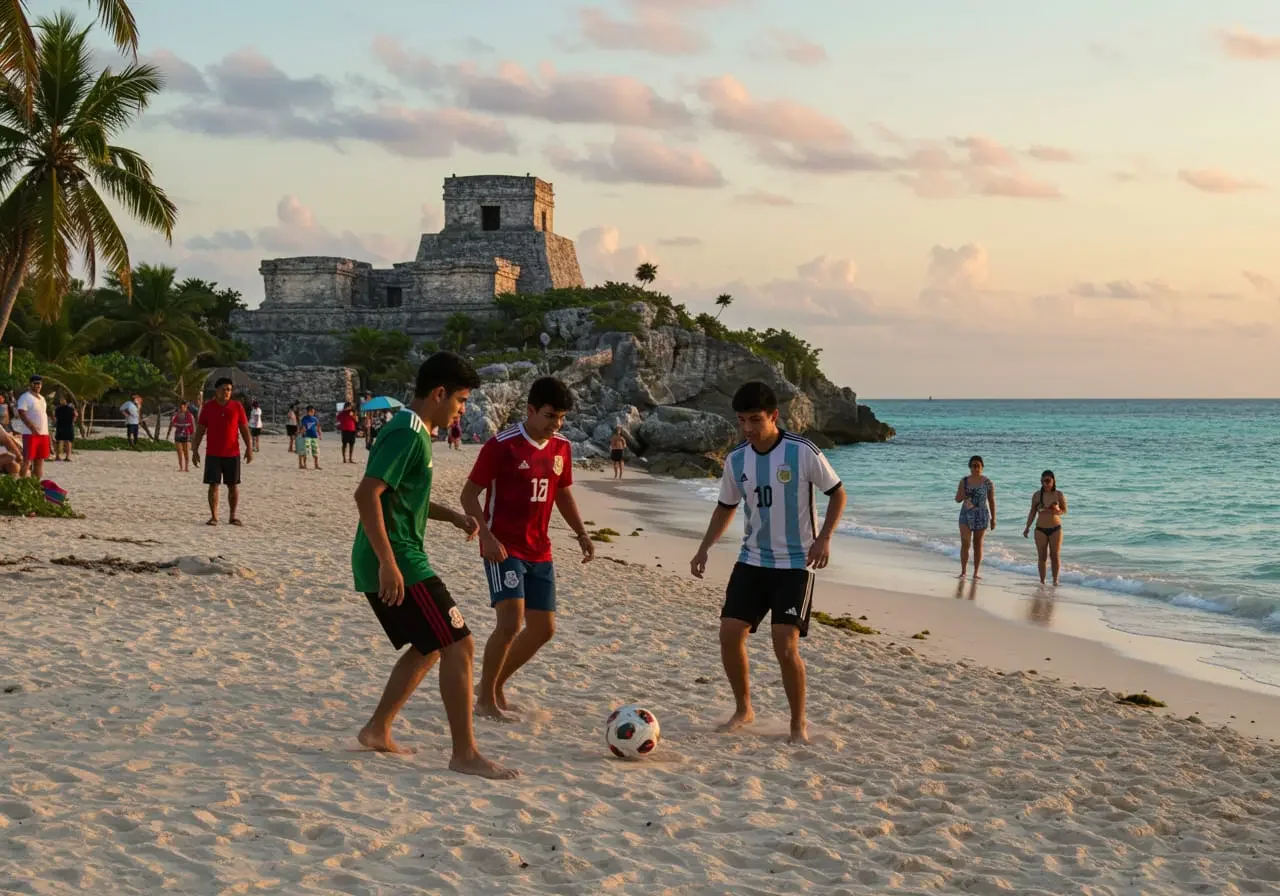
As the world gears up for the 2026 FIFA World Cup, Mexico is taking center stage, not only as a host nation but as a tourism powerhouse looking to redefine its key destinations. Among them, Tulum is taking bold steps to relaunch its brand and strengthen its appeal to global travelers and investors alike.
According to The Tulum Times, local and federal authorities recently unveiled a comprehensive strategy to rebrand Tulum, aiming to reposition it as a sustainable, high-end destination rooted in culture and authenticity. The plan aligns closely with Mexico’s national tourism agenda, which seeks to capitalize on the expected 5.5 million additional visitors drawn to the country during the World Cup season.
The relaunch is part of a broader “Master Plan for Tulum”, announced by Quintana Roo Governor Mara Lezama and Tourism Secretary Josefina Rodriguez, which focuses on public beach access, sustainable growth, and responsible development. The plan integrates environmental conservation with urban modernization, signaling a commitment to both community and ecological stewardship.
For investors, this is more than just a marketing story, it’s a potential inflection point for value creation in one of the Caribbean’s most talked-about markets.
What’s behind tulum’s relaunch
The rebranding initiative comes at a pivotal moment. Once the darling of bohemian beach tourism, Tulum’s explosive growth brought both opportunity and strain, from overdevelopment and infrastructure pressure to recent dips in occupancy rates.
Now, with a more strategic focus, the new Tulum brand emphasizes:
sustainability and balance
The new narrative places sustainability and cultural heritage at the forefront. This means eco-conscious hospitality, responsible development, and protecting the area’s unique Maya roots, a move designed to attract discerning travelers who value authenticity as much as luxury.
According to Tulum Times, the government’s branding efforts will include strict environmental standards for new projects, ensuring future development aligns with ecological preservation. The initiative also prioritizes community well-being, promoting local employment and cultural programs to keep Tulum’s identity grounded in its heritage.
As TravelPulse adds, Tulum’s shift toward sustainability is intended to serve as a model for the entire Mexican Caribbean, where authorities are aiming to balance rapid growth with long-term environmental health.
infrastructure and connectivity
Recent infrastructure investments, including Tulum International Airport and improvements to the Maya Train project, are set to transform accessibility. The relaunch strategy seeks to link Tulum more effectively with other major tourist circuits, creating a seamless experience for visitors.
The Tulum International Airport (Felipe Carrillo Puerto) officially opened its first international routes earlier this year, according to Visit Latin America, giving direct access to travelers from North America and Europe. This connectivity is complemented by the Maya Train, which will link Tulum to Cancún, Mérida, and Palenque - making the Riviera Maya more cohesive than ever.
These infrastructure upgrades not only boost tourism capacity but also signal confidence to investors, as they anchor Tulum’s long-term value as a connected, high-demand destination.
a premium visitor experience
The new brand direction moves away from Tulum’s past as a “party paradise” and toward a luxury lifestyle destination, think curated experiences, boutique resorts, wellness retreats, and immersive cultural offerings.
Tulum Times notes that part of the rebranding includes a visual identity campaign and new tourism slogan, both designed to project an image of harmony between modern luxury and natural beauty.
The region’s hospitality sector is already responding: developers are focusing on boutique-scale resorts with sustainable architecture, experiential travel packages, and exclusive wellness offerings aimed at the global luxury market.
global positioning ahead of 2026
While Tulum is not hosting World Cup matches directly, the global spotlight on Mexico presents a golden opportunity. The rebrand aims to leverage the massive influx of international visitors expected during the tournament and position Tulum as a must-visit destination before and after the games.
According to The Yucatán Times, Tulum is prominently featured in the Mexican federal tourism board’s “Experience Mexico” campaign tied to the 2026 World Cup.
In addition, Tulum Times revealed that the official World Cup mascot campaign in Mexico will showcase Tulum as a symbol of natural beauty and sustainability - offering unprecedented visibility for the destination on the global stage.
This integration into Mexico’s World Cup marketing strategy reinforces Tulum’s status as not just a tourist spot but a key piece of the nation’s cultural and ecological story.
looking ahead
Tulum’s relaunch is both a reset and a bet on the future. If executed effectively, it could transform the region into a world-class, sustainable tourism hub, blending natural beauty, culture, and premium experiences in a way few destinations can match.
For investors, the next year will be crucial. The groundwork being laid now could shape not only the visitor experience but also the long-term trajectory of Tulum’s real estate and hospitality markets.
Analysts cited by Tulum Times suggest that Tulum’s “new era” could yield a 15–20% increase in international visitor flow and attract higher-end investment, particularly in eco-luxury hospitality and ESG-aligned development projects.
Ultimately, the relaunch reflects a deeper transformation - Tulum evolving from a niche bohemian retreat into a globally recognized model for sustainable, inclusive tourism.
As the countdown to the World Cup continues, one thing is clear: Tulum is rewriting its story, and investors have a chance to be part of the next chapter.
Sources:
Tulum Times. (2025, May). Tulum unveils strategy to relaunch its brand ahead of World Cup 2026. [Article]. Tulum Times. https://tulumtimes.com/tulum-unveils-strategy-to-relaunch-its-brand-ahead-of-world-cup-2026/
Tulum Times. (2025, May). Tulum officially included in national tourism strategy for World Cup 2026 in Mexico. [Article]. Tulum Times. https://tulumtimes.com/tulum-officially-included-in-national-tourism-strategy-for-worldcup-2026-in-mexico/
Visit Latin America. (2025, May). Mexico unveils its tourism strategy ahead of the FIFA World Cup 2026. [Article]. Visit Latin America. https://visit-latin-america.com/en/mexico-unveils-its-tourism-strategy-ahead-of-the-fifa-world-cup-2026/
TravelPulse. (2025, June). Mexico focused on Tulum’s tourism future. [Article]. TravelPulse. https://www.travelpulse.com/news/destinations/mexico-focused-on-tulum-s-tourism-future
The Yucatán Times. (2025, June). SECTUR presents tourism strategy for the 2026 FIFA World Cup. [Article]. The Yucatán Times. https://theyucatantimes.com/2025/06/sectur-presents-tourism-strategy-for-the-2026-fifa-world-cup/
Travel2Latam. (2025, June). Sectur presents the tourism promotion strategy for the 2026 World Cup. [Article]. Travel2Latam. https://en.travel2latam.com/news-98193-sectur-presents-the-tourism-promotion-strategy-for-the-2026-world-cup
Tulum Land & Property. (2025, July). Tulum prepares for FIFA World Cup 2026 tourism surge, leveraging new international airport. [Article]. Tulum Land & Property. https://www.tulumlandandproperty.com/news/tulum-prepares-for-fifa-world-cup-2026-tourism-surge-leveraging-new-international-airport